
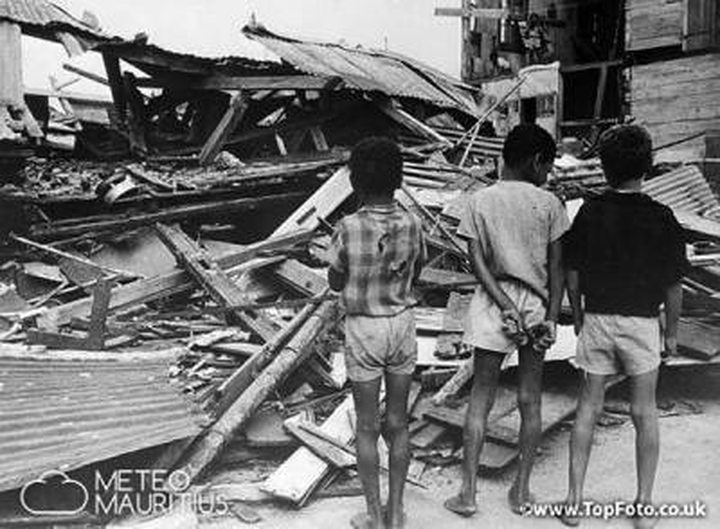
One of my landmark memories from back home is sitting by candle light in the living room, with my family, eating a warm meal while there were howling wings outside. We had buckets everywhere to catch the leaking roofs from the torrential downpour and I remember mum trying to keep our mind off things by playing snakes and ladders with me and my sister.
Such is the experience of cyclones in Mauritius. We have them, a lot. They come in at quite a predictable time of the year when the sea temperatures are at its highest. Now that I am grown up and in the profession of infrastructure, I have come to recognise what a ‘resilient and prepared’ community looks like.
There is a mental checklist that each household goes through both before and after the event. They include amongst other things:
- All water for consumption has to be boiled to prevent infections
- Securing the loose items and reinforcing weak points of the house
- Making sure we have access to running water and food supplies (cans and non perishables)
- Your candles and torches in the event of a blackout
- After the event; making sure all water that has been accumulated is promptly emptied
This community readiness is passed on through the generations and the country has certainly made strives in improving its resilience: concrete only buildings, telecommunications lines have been moved underground. It is to be noted that more work is needed, particularly regarding drainage and prevention from rising sea levels.
With the ongoing changes to the climate, the frequency and intensity of natural calamities is definitely going to increase (no room for climate change denials here). My mind has now pivoted to always consider how my work in infrastructure consistently addresses resilience and how I show up in the community and for my children.
Recasting the meaning of resilience
My daughter was born in 2019, during the ‘Black Summer.’ I remember thoroughly walking her outside in the bassinet and seeing a rain of black ash falling onto my newborn with the air getting thick with smoke. This was a new risk in my mind – one that I had to research and adapt to.
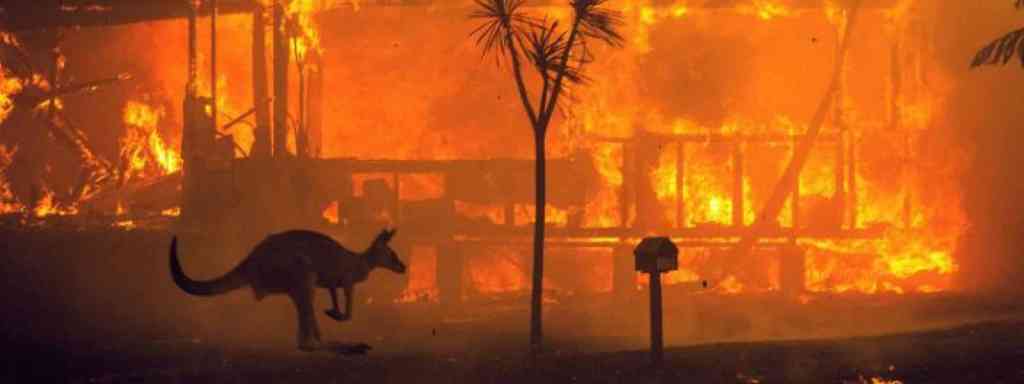
My interest and passion in how communities and governments prevent and prepare for these events as well as how we respond and recover from it has steadily grown. This is pushing me to undertake my training and research into understanding how as a nation we plan on addressing these safety concerns.
My call to everyone, especially those of us who have not grown up in the place where we now live is:
- Get familiar with your new home, understand the risks facing the future generations in particular in this place
- Get prepared. It could be creating a checklist for your family in the event one of the highest risks actually realises (flooding and bushfires are the most prominent ones for us in Sydney)
- Educate yourself: there is a lot of free training available to understand how Australia responds to emergencies. Check out the following or your Council Website: https://knowledge.aidr.org.au/
With this new focus, I am prepared to talk to clients, businesses and neighbours about building in resilience in the day-to-day – through risk management, stakeholder engagement, social and community impact reviews.
It matters and it is here to stay.


Leave a Reply